
FURNACE & HEATING REPAIR IN LONGVIEW, TX
It’s freezing outside. Keep your home cozy. Call JD’s AC for heating repair in Longview, TX.
LONGVIEW HEATER REPAIR
SET UP AN APPOINTMENT
A HEATING COMPANY IN LONGVIEW YOU CAN TRUST
When you’re left without heat in freezing temperatures, we treat it as a top priority.
We will restore warmth to your home as quickly as possible, providing you with peace of mind during the cold season.
COMMON SIGNS OF HEATER PROBLEMS
-
Uneven Heating
Some rooms in your home may feel colder than others, indicating an issue with your heating system’s efficiency.
-
Higher Energy Bills
A sudden spike in your energy bills could be due to a decrease in your heating system’s efficiency, requiring maintenance or repairs.
-
Unusual Noises
Rattling, banging, or screeching noises coming from your furnace or vents could signify a mechanical problem or a loose component.
-
Unpleasant Odors
Musty or burning smells coming from your heating system may indicate a dirty air filter, mold growth, or an electrical issue.
-
Frequent Cycling
If your heater constantly turns on and off, it may be struggling to maintain the desired temperature, pointing to a potential issue with the thermostat or a malfunctioning part.
-
Yellow or Flickering Pilot Light
A properly functioning gas furnace will have a steady blue pilot light. A yellow or flickering pilot light may suggest inadequate combustion or the presence of carbon monoxide.
-
Reduced Airflow
If you notice weaker airflow from your vents, there might be a blockage in the ductwork or a problem with the blower motor.
-
Other Signs
If you notice any of these signs, or others, call our HVAC technicians today.
WHAT IS THE DIFFERENCE BETWEEN A HEAT PUMP AND A FURNACE?
The primary difference between a heat pump and a furnace lies in their method of generating heat and the energy sources they utilize:
Heat Pump
A heat pump is an energy-efficient system that functions as both a heating and cooling device. It works by transferring heat from one location to another, using electricity as its energy source. During the colder months, a heat pump extracts heat from the outside air (or ground, in the case of geothermal heat pumps) and transfers it indoors to warm your home. In warmer months, the process is reversed, and the heat pump removes heat from inside your home and releases it outdoors, thereby cooling the interior.
Furnace
A furnace is a heating-only system that generates heat by burning a fuel source, such as natural gas, propane, or oil, or using electricity (in the case of electric furnaces). The combustion process creates heat, which is then distributed throughout your home via a network of ducts and vents. Furnaces are typically less energy-efficient than heat pumps, as they generate heat rather than transfer it, but they can be more effective in areas with extremely cold climates where heat pumps may struggle to extract enough warmth from the outdoor air.
FURNACE PROBLEMS
THE AC COMPANY LONGVIEW RESIDENTS LOVE
FAQS About Heater Repair in Longview, TX
What should I check before calling for heater repair?
Confirm that the thermostat is set to heat, check the breaker, replace a dirty air filter, and open all vents. If your system still isn’t warming your home, contact JD’s AC for professional repair.
Should I repair or replace my furnace?
The right choice depends on the furnace’s age, condition, repair history, and current repair cost. We’ll thoroughly inspect your equipment and explain whether repairing or replacing it would offer better long-term value.
How often should my heating system receive maintenance?
Most furnaces and heat pumps should receive professional maintenance once a year, preferably before colder weather arrives. Regular service supports efficient operation and helps identify developing issues before they cause an unexpected breakdown.
What should I do if I smell gas near my furnace?
Leave your home immediately without operating switches, appliances, or anything that could produce a spark. Once you’re safely outside, contact your gas provider or emergency services and follow their instructions before returning.
Can a dirty air filter keep my furnace from working properly?
Yes. A clogged air filter restricts airflow, increases energy use, and may cause your furnace to overheat or shut down. Check the filter regularly and replace it according to the manufacturer’s recommendations.
How long does a heating repair usually take?
Repair time depends on the cause and whether replacement parts are needed. After inspecting your system, our technician will explain what’s wrong, recommend a solution, and provide an anticipated repair timeframe.
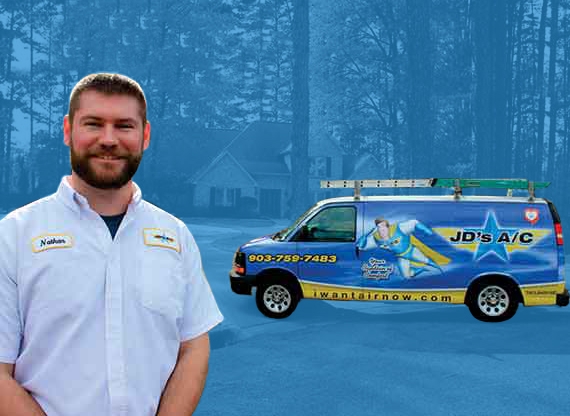
One of our team members will be more than happy to assist you. We can schedule an appointment at your earliest convenience and answer any questions you may have.